
"Aqery Washing Station"
31000 article(s) found

Processing method of coffee beans in Rwanda Coffee washing station hand-classified coffee cherry processing steps
Throughout Rwanda, coffee beans are usually processed by wet processing. This is largely due to the efforts of modern people to invest time, energy and resources to develop public cleaning stations for the countless traces of coffee and cherries that need to be processed each year. Many of the small farms involved in the business are unable to create large independent washing stations like large coffee farms around the world. This is because most farmers
Detailed introduction of washing beans in Ethiopia red cherry plan hole plus chair cleaning station
Professional barista exchanges please follow the coffee workshop (Wechat official account qianjiecoffee) Ethiopian red cherry plan hole plus chair cleaning station to wash beans Ethiopia is the first country to discover coffee, in terms of coffee quality and output is still the most important producing country and the best, coffee is mostly traditional Arabica species, annual output is about 350000 tons and 70%

How many coffee plantations are there in Rwanda?
The first problem that Malaba coffee farmers solved was to set up a washing station. Coffee cherries must be transported to a washing station within twelve hours of picking to remove the sugar coating under the outer skin of the coffee beans, otherwise the flavor of the coffee will be greatly damaged. In July 2001, the Rwandan government, through UNR, the Office des Cultures Industrielles du Rwanda (OCIR-Caf), ACD,

How to make coffee beans with coffee beans?
Professional coffee knowledge exchange More coffee bean information Please pay attention to coffee workshop (Weixin Official Accounts cafe_style) Once coffee cherries turn bright red on trees, farmers must pick them within two days, otherwise they will dry out. After picking, farmers have 12 hours to send ripe cherries to a pulping station or coffee washing station. In remote villages, far from laundry, farmers had to

Taste characteristics of Yejashefi biloya Coffee correctly drinking Faye Xuefei biloya Coffee
Professional coffee knowledge exchange more coffee bean information please pay attention to the coffee workshop (Wechat official account cafe_style) Biloya washing station was built in 2001, processing nearly 1 million kilograms of coffee fruit from 211 small farmers every year. There are 138 raised drying beds on 2.5 hectares of land. When ripe cherries arrive, they are sorted by hand to separate less dense cherries.

Flavor characteristics of special washed Ugandan coffee in Yega Sheffield, SL14 species of the White Nile, Uganda
Professional coffee knowledge exchange more coffee bean information please follow the coffee workshop (Wechat official account cafe_style) Uganda White Nile SL14 species Yega Sheffield Special washing Origin: NEBBI,ZOMBO,UGANDA treatment Plant: WHITE NILE altitude: 1450m 1800m treatment: washing flavor: cherry, toffee, floral white Nile washing station was established in 201

Which producing area does Burundian coffee belong to? characteristic altitude of washing station.
Where does Burundian coffee belong? there are two major ethnic groups in Burundi. Only about 15% of the Tutsi have ruled the country since the 16th century, controlling the civilian population, mainly composed of Hutu, plus a very rare aboriginal Twa. It is not normal for ethnic minorities to occupy high positions.

Tanzania Mbeya Plateau Mboz coffee production area introduction Magwela washing is what flavor
Origin: Tanzania Region: Mbeya Highlands Mbozi District Washing Station: Magwila Plant Elevation: 1796m Variety: Kent Processing Method: Wash Flavors: Blackcurrant, Raspberry, Lavender, Grapefruit This particular microbatch comes from Magwilla Plant, a washing station in Mbozi District of Tanzania, located on the steep hills of Mbeya Highlands. these high

Rwanda Coffee East Africa recently a fast-growing boutique coffee producer, washing, elevated scaffolding Day
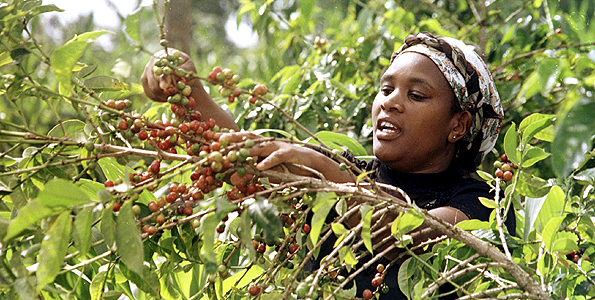
Like many African countries, Rwandan coffee is mainly produced by small farmers, and the ripe cherry fruits are collected and sent to the processing station every year during the harvest period. During the annual harvest period, the ripe coffee berries picked by farmers are concentrated in the treatment station for treatment, first selected by hand to ensure that no immature or damaged fruit is mixed in. Then peel off the peel in a cool, cold environment

Single bourbon beans Musiui washing in the western province of Luanda, Rwanda
Like many African countries, Rwandan coffee is mainly produced by small farmers, and the ripe cherry fruits are collected and sent to the processing station every year during the harvest period. During the annual harvest period, the ripe coffee berries picked by farmers are concentrated in the treatment station for treatment, first selected by hand to ensure that no immature or damaged fruit is mixed in. Then remove the peel in a cool, cold ring

Analysis of flavor and taste of Starbucks Rwanda Musasha coffee beans
Professional coffee knowledge exchange more coffee bean information please follow the coffee workshop (Wechat official account cafe_style) about coffee bean label design Musasha washing station is a gathering place, we get together, is a symbol of cooperation and trust. The label design directly shows the efficiency and spirit of unity and cooperation of the washing station. The staggered lines depict the state of flow, the part of the point.

Coffee beans at White Nile washing Station in Nebbi, Uganda. How to make Ugandan coffee?
Professional coffee knowledge exchange more coffee bean information please pay attention to the coffee workshop (Wechat official account cafe_style) mentioned boutique coffee, in recent years, African beans can be said to be a sudden rise, in many coffee bean product evaluation, have a good performance. It is also recognized and liked by more and more people. But maybe when it comes to African beans, we have more feedback.
African Coffee Manor Musiui treatment Plant in the western province of Rwanda washing and treating bourbon boutique black coffee
Like many African countries, Rwandan coffee is mainly produced by small farmers, and the ripe cherry fruits are collected and sent to the processing station every year during the harvest period. During the annual harvest period, the ripe coffee berries picked by farmers are concentrated in the treatment station for treatment, first selected by hand to ensure that no immature or damaged fruit is mixed in. Then remove the peel in a cool, cold ring

Features and Flavors Sweet Coca Flavor
Koke Washing Station Koke Washing Station was established in 2011 and is located about 6 km southwest of Yirgacheffe Woreda town center at an altitude of about 1870-1900 meters. At present, there are 96 cooperative farmers in the treatment plant, all of which are inherited.

Introduction to the flavor and taste characteristics of Malaba coffee in southern Rwanda
Rwandans have been growing coffee since colonial times, but until 1999, its products were still classified as below Class C and were not popular in the global market. The reason for the poor quality is that farmers do not have a fixed procedure for washing coffee beans and do not process coffee fruits according to specifications in time. Buyers buy coffee beans at $0.33 per kilogram, and farmers keep warm by the meagre profits earned at low prices.
Kenyan Jinchu Coffee Flavor Kenya Jinchu Coffee characteristics Kenyan Jinchu Coffee taste
Enbu processing Plant (Embu Washing Station), which comes from Gichugu, adopts Kenyan double washing method and grows in Manyata-Enbu County on the eastern slope of the Kenyan Mountains from 1550 to 1750. The variety is Kenya's classic SL28,SL34, coupled with the large temperature difference between day and night in the deceived area, and the red phosphoric acid soil in Kenya, which makes the sour and sweet become the second order of this Kenyan branch.

Introduction to the characteristics of the Fine Coffee Flavor Manor in Kenya the Central Dashan area of Nyeri
Kenya has two coffee cherry production seasons a year. The main season is from October to December and the secondary season is from April to June. As a loyal fan of Kenyan coffee, we sugar bean boutique coffee certainly will not miss this delicious coffee. At the end of August, we arrived a new batch of new Kenyan beans in this season, from the Kenyan Gatuya washing station. The washing station was established in 1962 and currently cooperates with about 1.

Sugarcane Juice Red Wine Fruit Acid, Kenya Kam Early Valley Coffee Flavor, Characteristics, Taste and Estate Introduction
Embu Washing Station from Gichugu region, Kenyan double washing method, growing in Manyata-Embu County on the eastern slope of Kenya Mountains from 1550 to 1750, varieties are Kenya classic SL28, SL34, plus the large temperature difference between day and night, and Kenya's red phosphoric acid soil, making this Kenya's second sour and sweet

Fruit acid red wine Kenya Jinchu Valley Coffee Variety characteristics Taste Manor Boutique Coffee Bean Flavor Introduction
Embu Washing Station from Gichugu region, Kenyan double washing method, growing in Manyata-Embu County on the eastern slope of Kenya Mountains from 1550 to 1750, varieties are Kenya classic SL28, SL34, plus the large temperature difference between day and night, and Kenya's red phosphoric acid soil, making this Kenya's second sour and sweet

Burundian Coffee turnaround History Story of Burundian Coffee beans and washing stations
In 2006, before Burundi became famous for producing premium coffee, La Bodega CEO and Purchasing Director Jason Long ventured to buy his first miniature batch from Sogestal Kayanza to buy the relationship at a price well above the market price. Since then, La Bodega has purchased directly from Sogestal Kayanza, from dozens of washers each year